Underground Crossing Safety
Cross Bore Inspection in Boynton Beach
Investigate potential utility crossings before they become serious problems. Get a Free Estimate
Underground Crossing Safety
Investigate potential utility crossings before they become serious problems. Get a Free Estimate
A cross bore occurs when one underground utility passes through another, such as a gas line intersecting a sewer pipe. Some cross bores are difficult to identify from surface observations alone. If a sewer line is later cut or cleared without recognizing an intersecting utility, the consequences can be serious, including damage, service disruption, or a hazardous release.
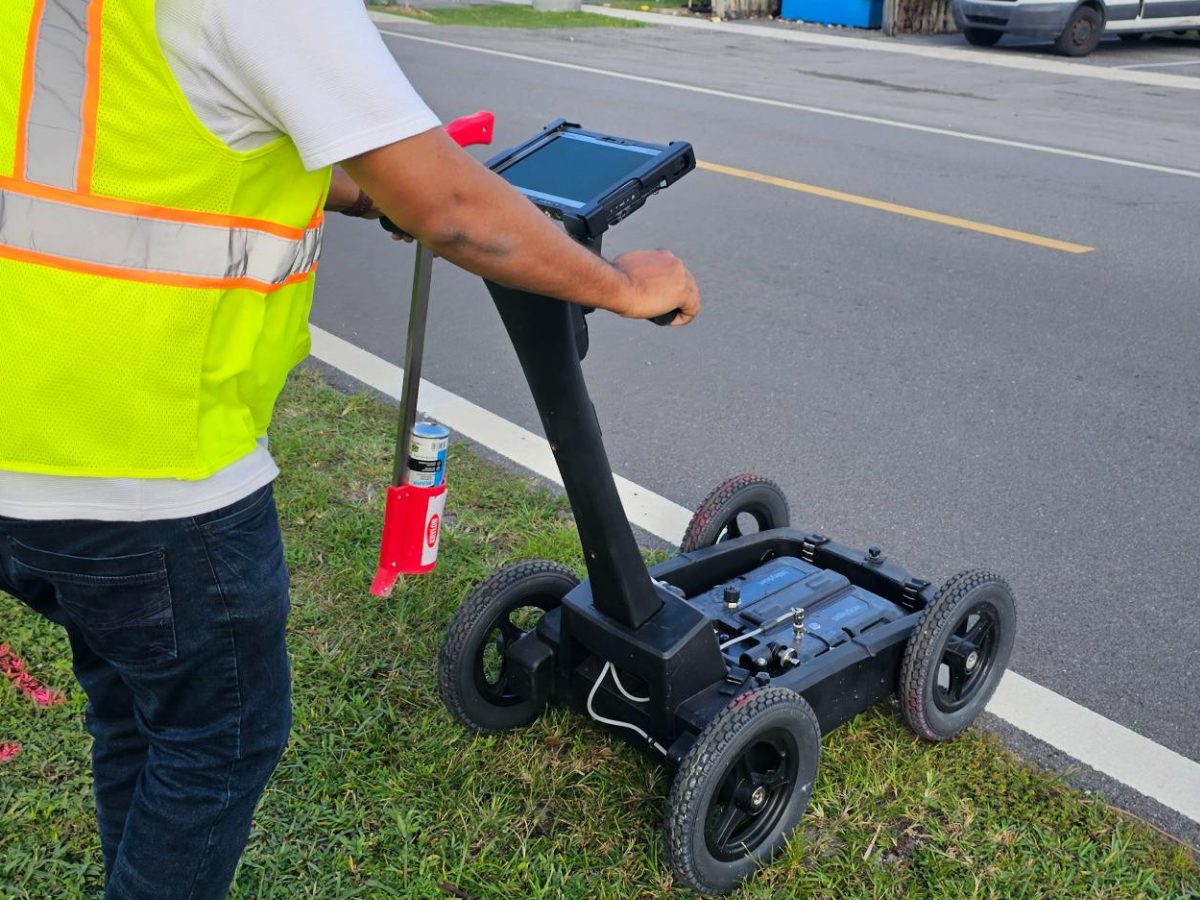
Cross bore inspection helps investigate potential utility intersections, especially where trenchless installation has occurred near existing sewer infrastructure. For projects in Boynton Beach, Delray Beach, and Lake Worth Beach, the inspection approach depends on the utilities involved, available access, installation records, and the area of concern. Ground penetrating radar and other locating methods may help identify potential conflicts, while suitable internal pipe inspection or additional verification may be needed to confirm a suspected crossing.
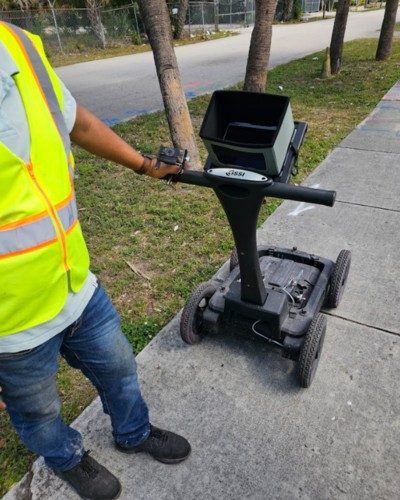
Cross bore investigations require coordination between underground locating, sewer access, installation information, and the appropriate inspection method. The objective is to identify possible conflicts and determine what additional work is needed to establish the actual condition.
Investigate locations where buried utilities may intersect sewer infrastructure. The work may include reviewing available records, locating potential utility routes, and identifying sections requiring closer inspection.
Following trenchless installation, appropriate inspections can help evaluate potential conflicts with existing infrastructure. The required method and inspection coverage depend on the installation details and the utilities involved.
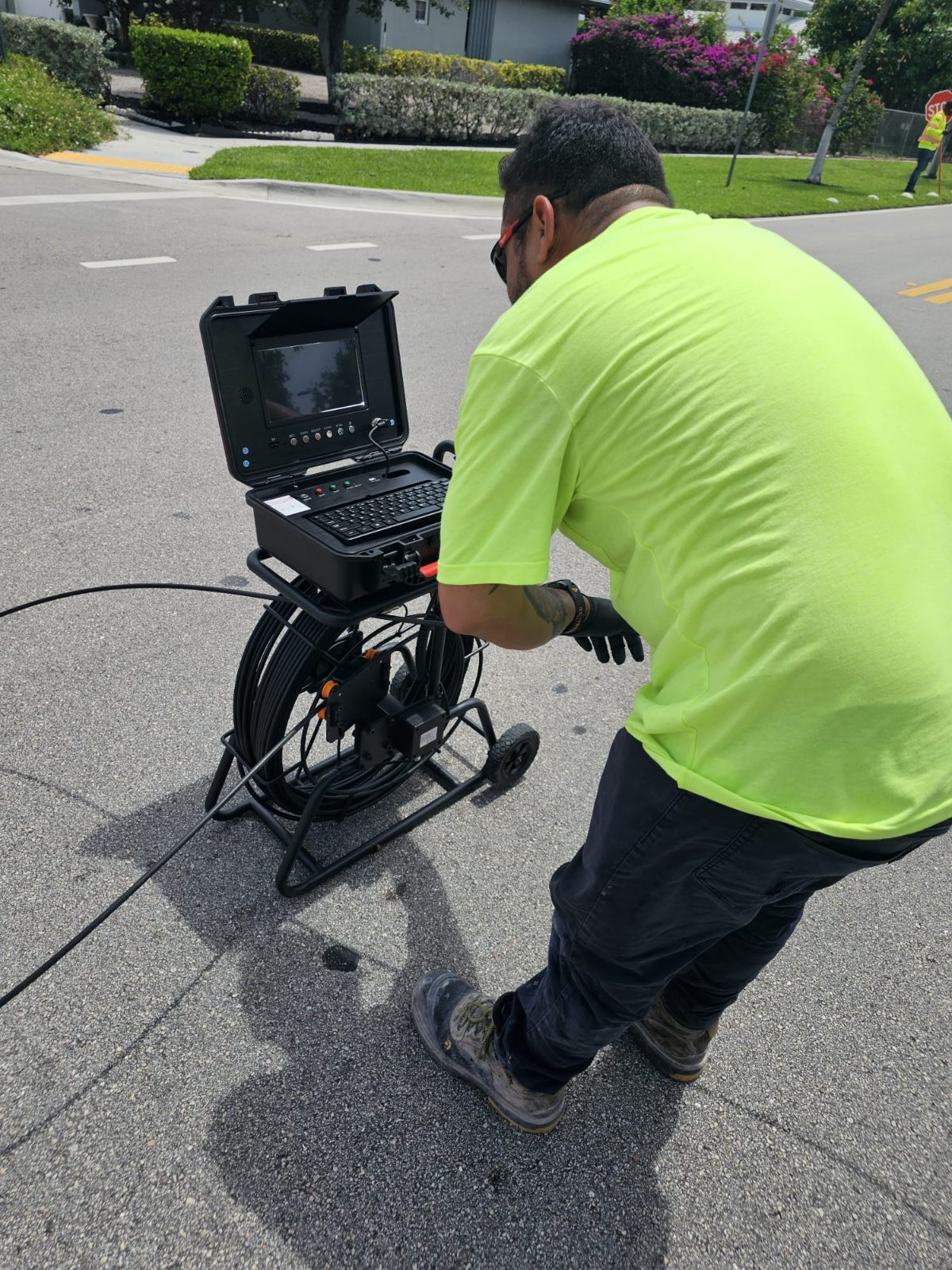
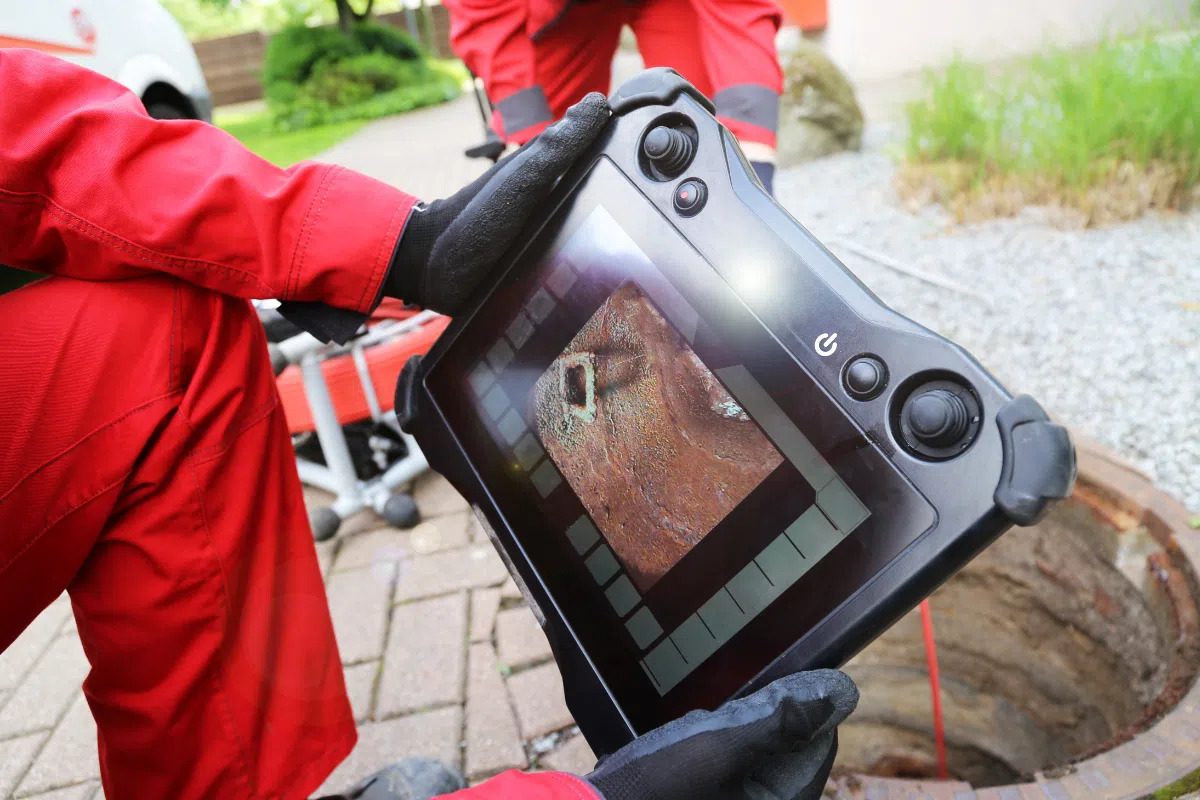
Where access and pipe conditions permit, a sewer camera may help inspect the interior of an accessible line for visible indications of a crossing or other abnormal condition. Camera findings may need to be combined with external locating and additional verification.
Document relevant observations and identify areas where a possible crossing requires further assessment. Findings should clearly distinguish suspected conditions from confirmed crossings and identify any limitations in the inspection.
| Service | Estimated Cost | Average |
|---|---|---|
| Targeted crossing investigation | Quote required | Depends on access and scope |
| Sewer and utility coordination | Quote required | Depends on project complexity |
| Multiple locations or extended inspection | Quote required | Depends on coverage required |
These are planning categories rather than published prices or verified averages. Inspection costs depend on the number of locations, available sewer access, utility records, equipment, site conditions, documentation, and required verification.
A cross bore investigation focuses on potential conflicts between utilities rather than treating every buried line as an isolated feature.
External locating and internal sewer inspection provide different information. The methods should be selected and coordinated according to the suspected crossing and site conditions.
A suspected crossing should be assessed by the responsible qualified professionals. The investigation should identify unresolved concerns rather than treating an inconclusive scan as proof that no conflict exists.
Concerned about a possible sewer and utility crossing? Describe the installation and location to discuss an investigation.
Free — no obligations
Discuss the sewer line, utility installation, available records, and the location where an intersection may have occurred.
Determine which locating, GPR, camera inspection, or other suitable methods may help investigate the potential crossing.
Carry out the agreed investigation within the accessible area and document relevant observations and limitations.
Explain whether the evidence suggests a potential conflict, what remains uncertain, and which qualified professionals or additional checks may be needed.