Buried Utility Investigation
Underground Utility Locating in Boynton Beach
Get underground locating information before disturbing the ground. Get a Free Estimate
Buried Utility Investigation
Get underground locating information before disturbing the ground. Get a Free Estimate
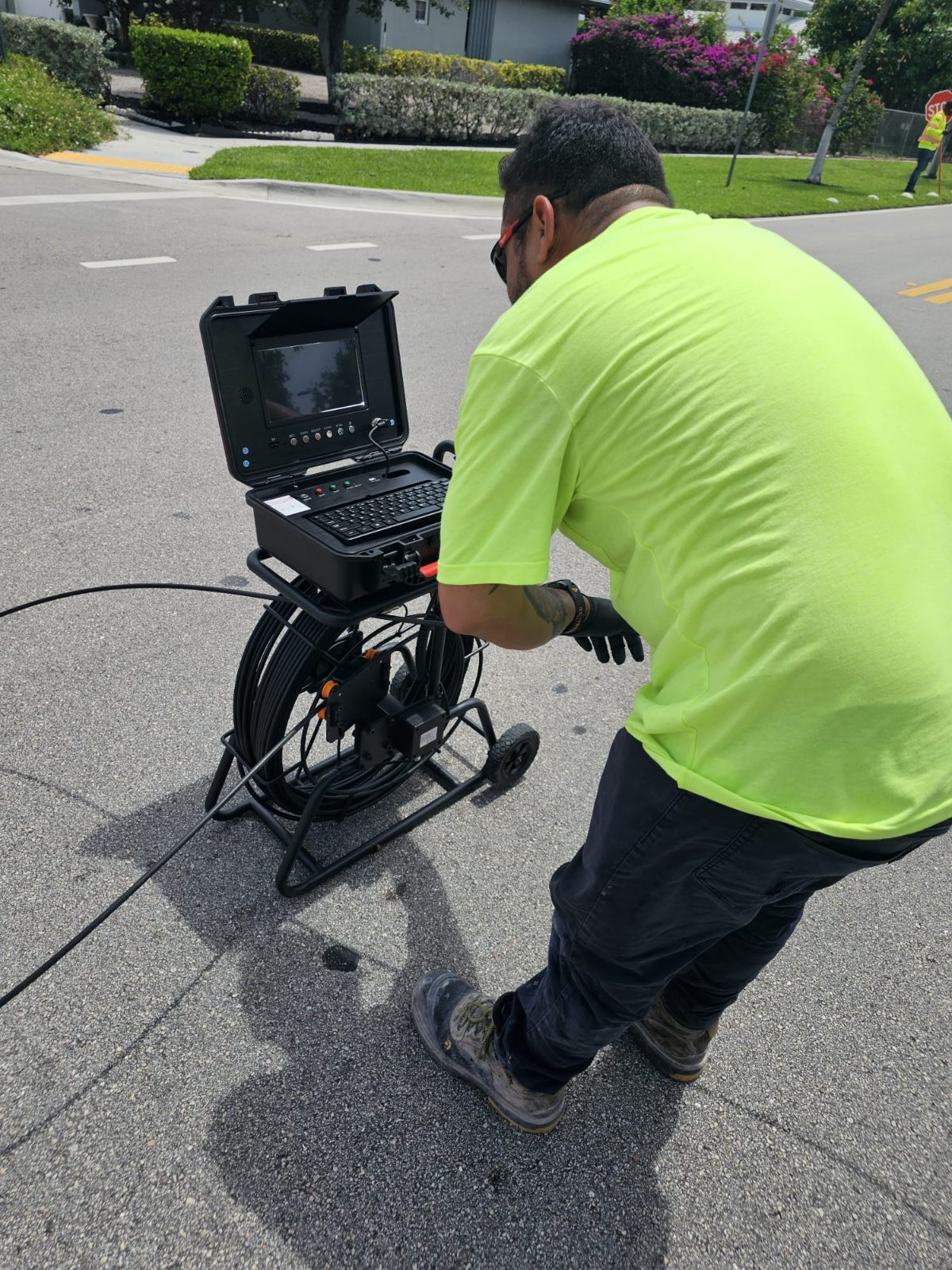
Underground utility locating helps identify the possible position and route of buried infrastructure before construction or excavation. Water pipes, sewer lines, electrical conduits, gas lines, irrigation systems, and communications cables may be hidden beneath pavement, landscaping, or building surfaces. Striking a buried line can cause injuries, service interruptions, property damage, and costly delays.
GPR Utility Scanning Boynton Beach helps customers plan underground investigations in Boynton Beach, Delray Beach, and Lake Worth Beach. The appropriate locating method depends on the type of utility, the available site information, accessibility, and ground conditions. A project may benefit from electromagnetic locating, GPR, records review, or a combination of methods. The purpose is to improve understanding of the work area before ground disturbance begins.
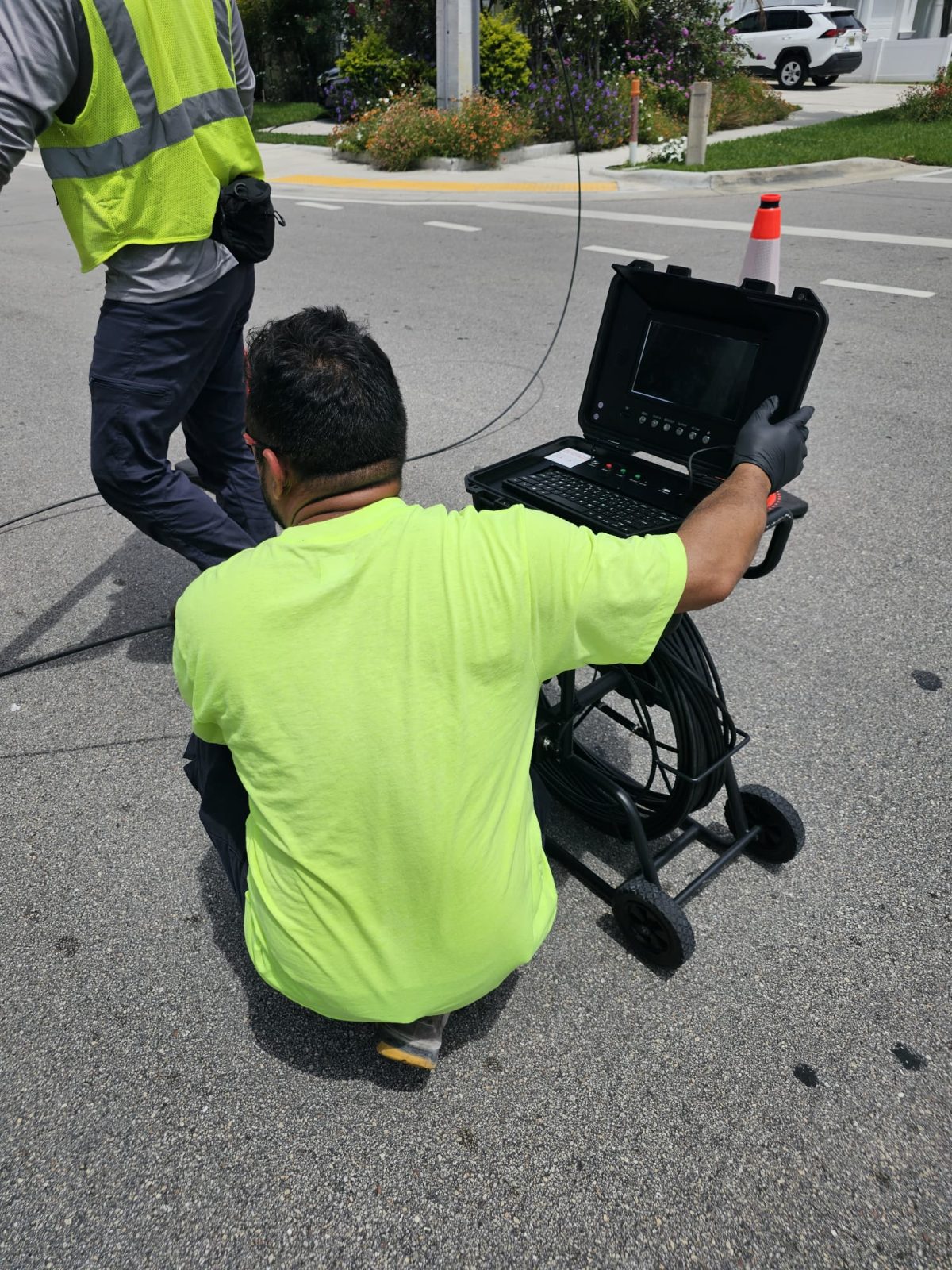
The first step is to understand the planned excavation or construction activity and the underground features that could affect it. From there, the locating scope can be matched to the site conditions and the information needed.
Investigate accessible and detectable utility routes that may intersect the proposed work area. Available records, visible access points, and suitable detection equipment can help establish potential routes, although not every line will be detectable.
Privately owned lines may extend beyond the scope of public utility marking. Depending on site conditions and the requested scope, a private locating investigation can help identify additional buried infrastructure serving buildings, irrigation systems, parking areas, and other property features.
Locating information can help project teams plan excavation boundaries, identify potential conflicts, and decide where additional investigation or verification is needed before work proceeds.
Ground penetrating radar may help investigate buried objects and subsurface anomalies that are not readily accessible from the surface. Its usefulness depends on ground conditions, the type of target, and the equipment and methods selected.
| Service | Estimated Cost | Average |
|---|---|---|
| Small residential work area | Quote required | Depends on scope |
| Commercial property locating | Quote required | Depends on site size |
| Complex or multi-method investigation | Quote required | Depends on equipment and time |
These are planning categories, not published price quotes or market averages. Actual pricing must be confirmed after reviewing the location, area size, accessibility, detection requirements, and project schedule.
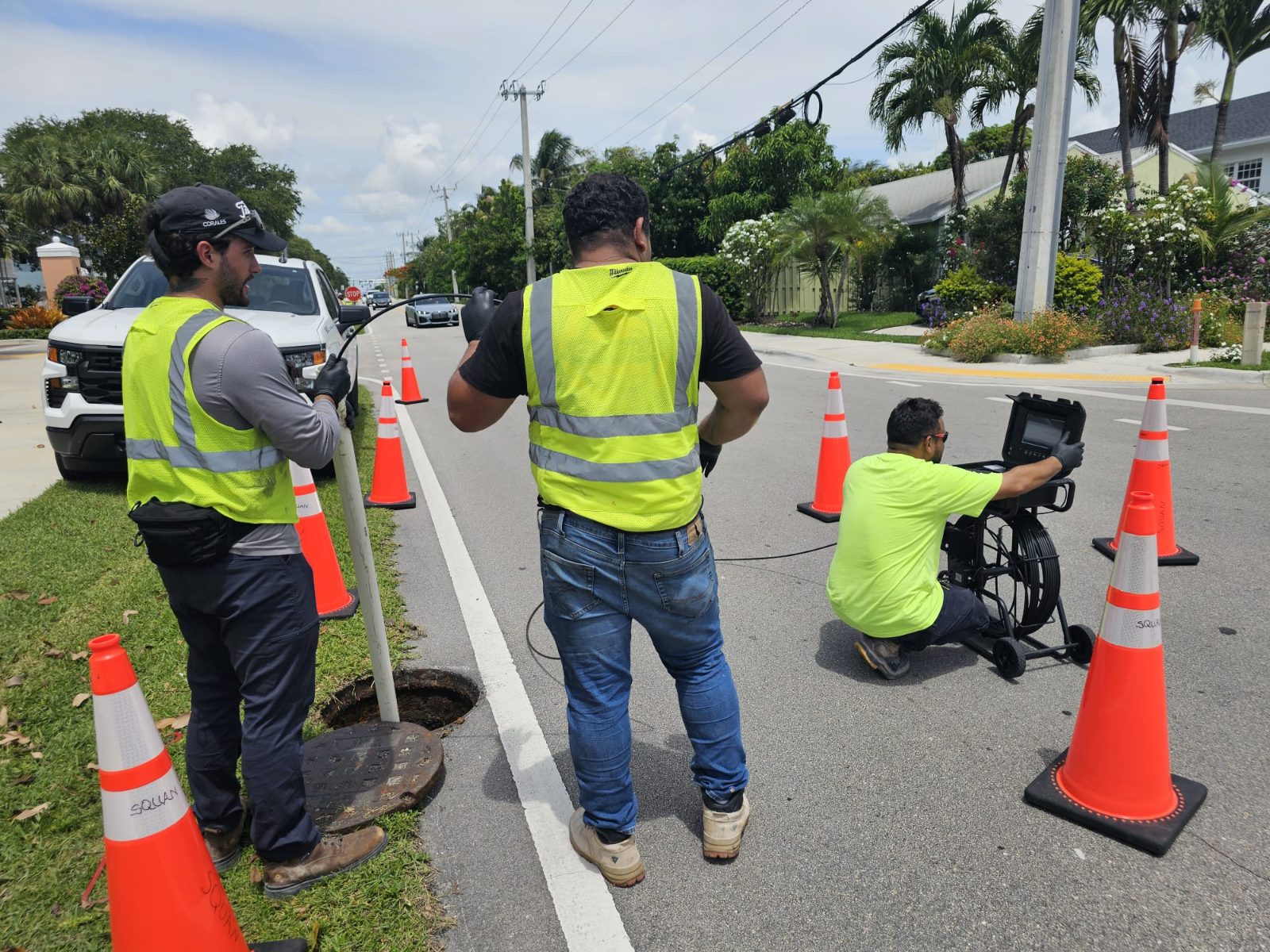
The proposed locating work should reflect where excavation will occur and which buried features could affect the project.
Different utilities require different detection approaches. We focus on selecting an appropriate investigation scope rather than promising that one method will find everything.
Locating results can help project teams identify potential conflicts and determine whether additional verification is necessary.
Planning excavation in Boynton Beach or nearby? Share your site details to discuss underground utility locating.
Free — no obligations
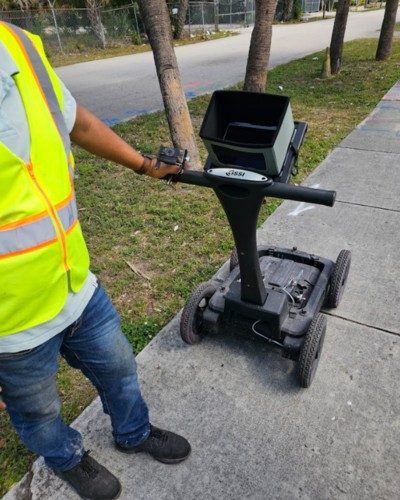
Share the property location, proposed excavation area, known utilities, available site plans, and the reason for the investigation.
Review the available information and consider which detection methods are appropriate for the site and expected targets.
Carry out the agreed locating work where access and conditions permit, documenting relevant observations and limitations.
Discuss the results and any areas that may require further investigation or physical verification before excavation.